Campaign focuses on children, open government, employees, housing, infrastructure, land, water and tribal sovereignty
Download the original announcement (PDF, 17.3 MB)
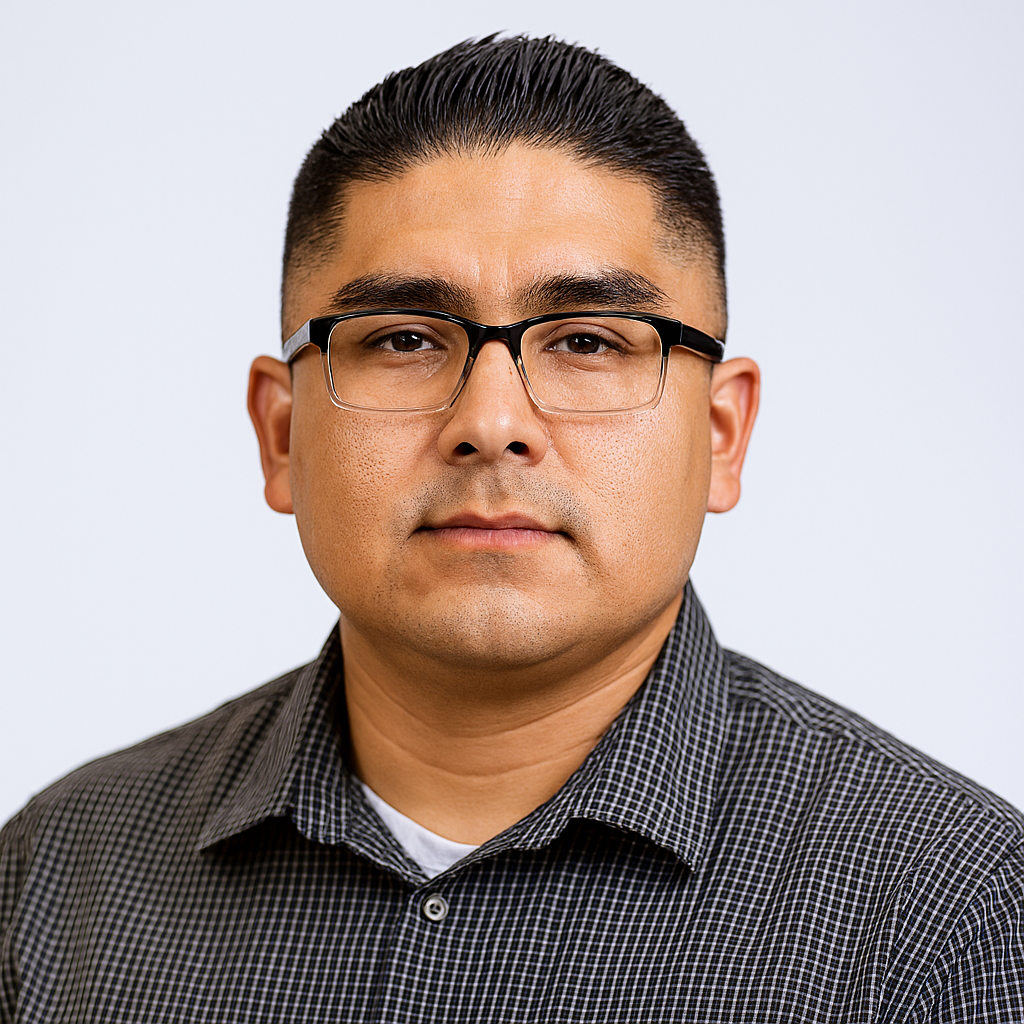
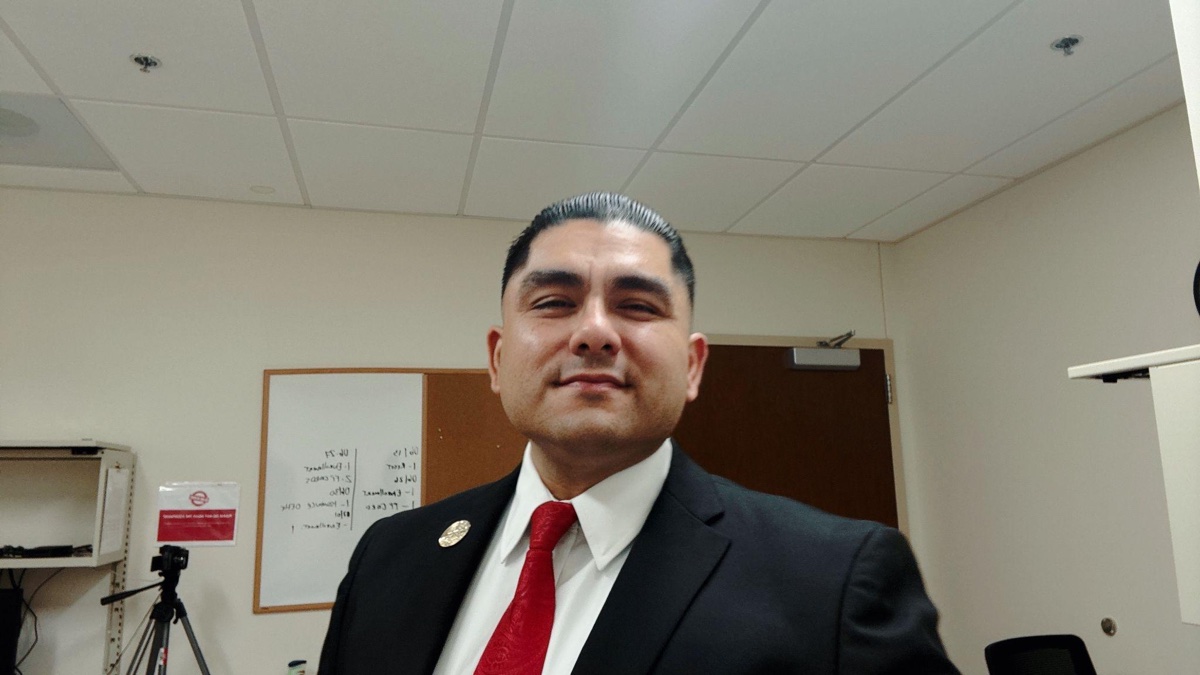
WINTERHAVEN, Calif. — Cody Hartt has announced his candidacy for President of the Quechan Indian Tribe, outlining a campaign centered on children, accountable government, open communication, tribal employees, housing, infrastructure, public safety, economic development, land and water protection, and strengthening tribal sovereignty.
Hartt has lived on the Fort Yuma Reservation since he was five years old and said his decision to run is rooted in a lifetime of service, work and family ties to the community. “The reservation has been my home since I was five years old,” Hartt said. “This is where I grew up, where I worked, where I raised my family, and where I learned what it means to take care of our people.”
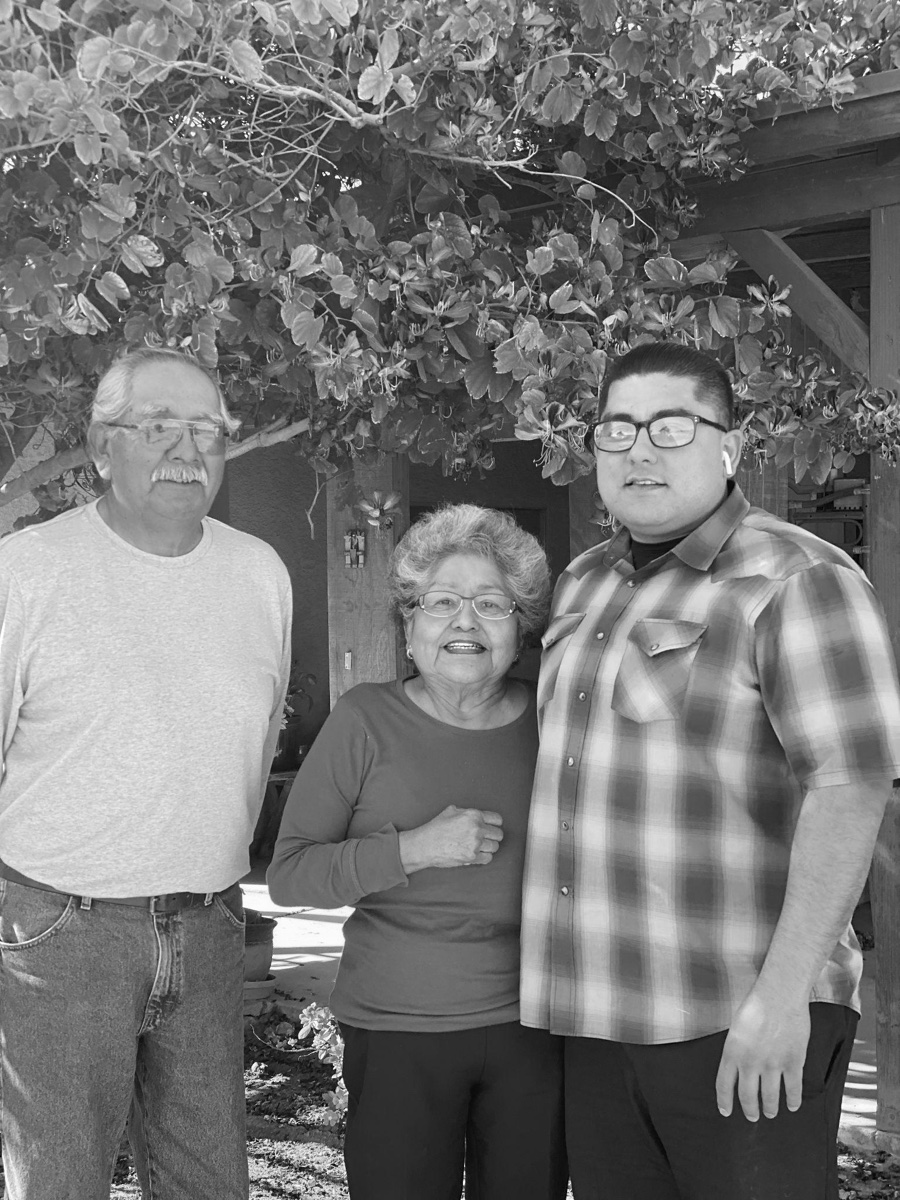
Hartt said he was raised by his grandparents Norman and Judith Osborne and grew up closely connected to tribal elders and traditional practices. He remembers sitting with older people, drinking hot black coffee in 120 degree summers, listening to their stories and running around the American Legion Post 802. He said he was raised around traditional songs and learned bird and pipa songs. He also learned from his grandfather and uncles how his family cares for those who have passed and carried out its cremation practices on behalf of the tribe. At the age of fifteen he was allowed to start preparing the area where the deceased would be cremated. Today, this tradition continues and he assists the full-time crew that is hired by the tribe when his public service schedule permits. It has been a very hard change from attending almost all funerals to a few after this new administration took over, we have a lot to do and there is no leave for tribal practices within the Federal Service.
“Culture is not something we bring out for a special event,” Hartt said. “It is how we live, how we care for each other, and something we have a responsibility to pass from our elders to our children.”
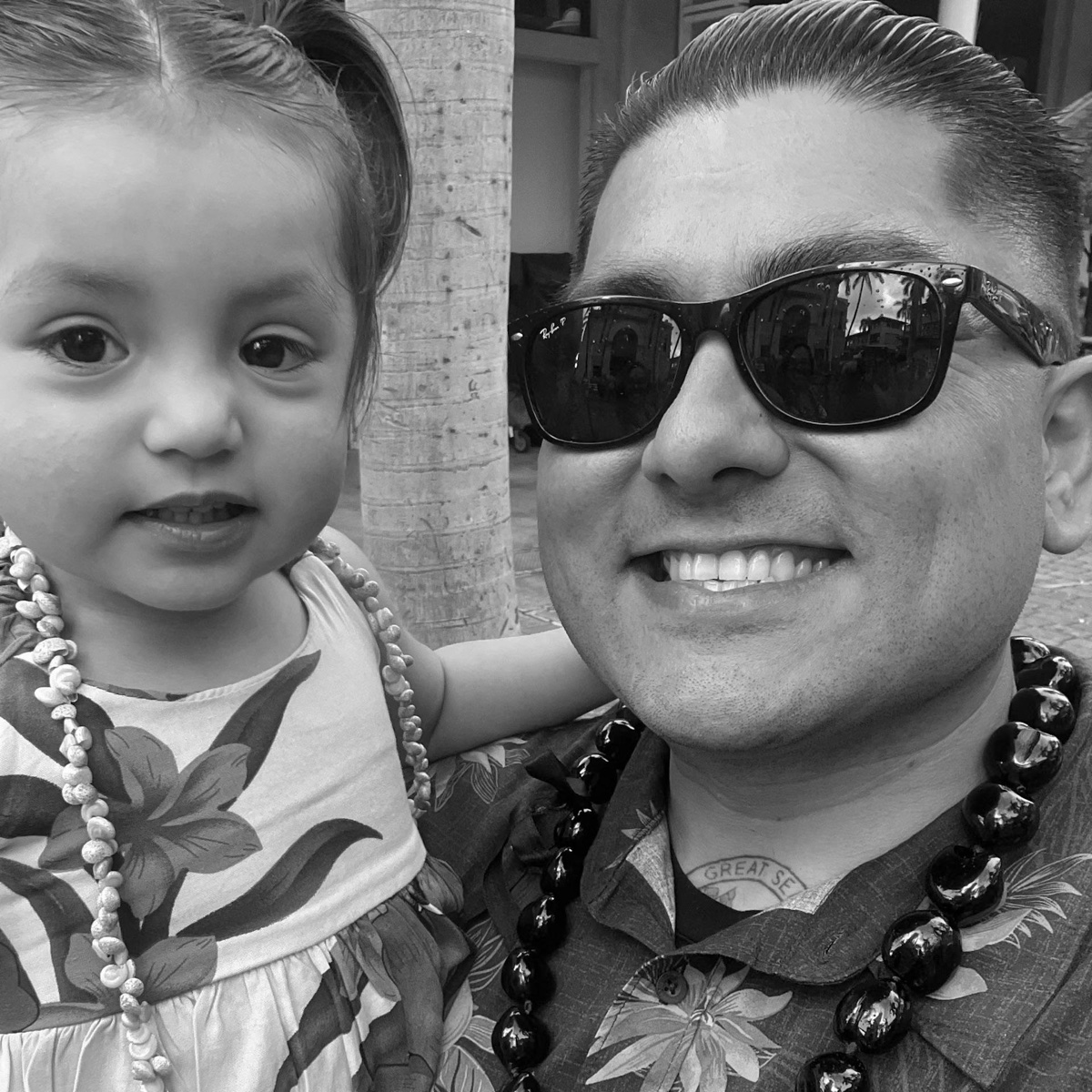
Hartt’s first job with the Tribe as a summer youth worker at Main Street Cinemas, a joint management project once owned by the tribe located in Downtown Yuma. He later joined the Winterhaven Fire Department as a fire cadet and then firefighter in the community and earned a Fire Investigator certificate in 2008 from Riverside Community College. His tribal employment also included work as a Security Supervisor at Paradise Casino and later becoming a Tribal Gaming Agent at Quechan Casino Resort.
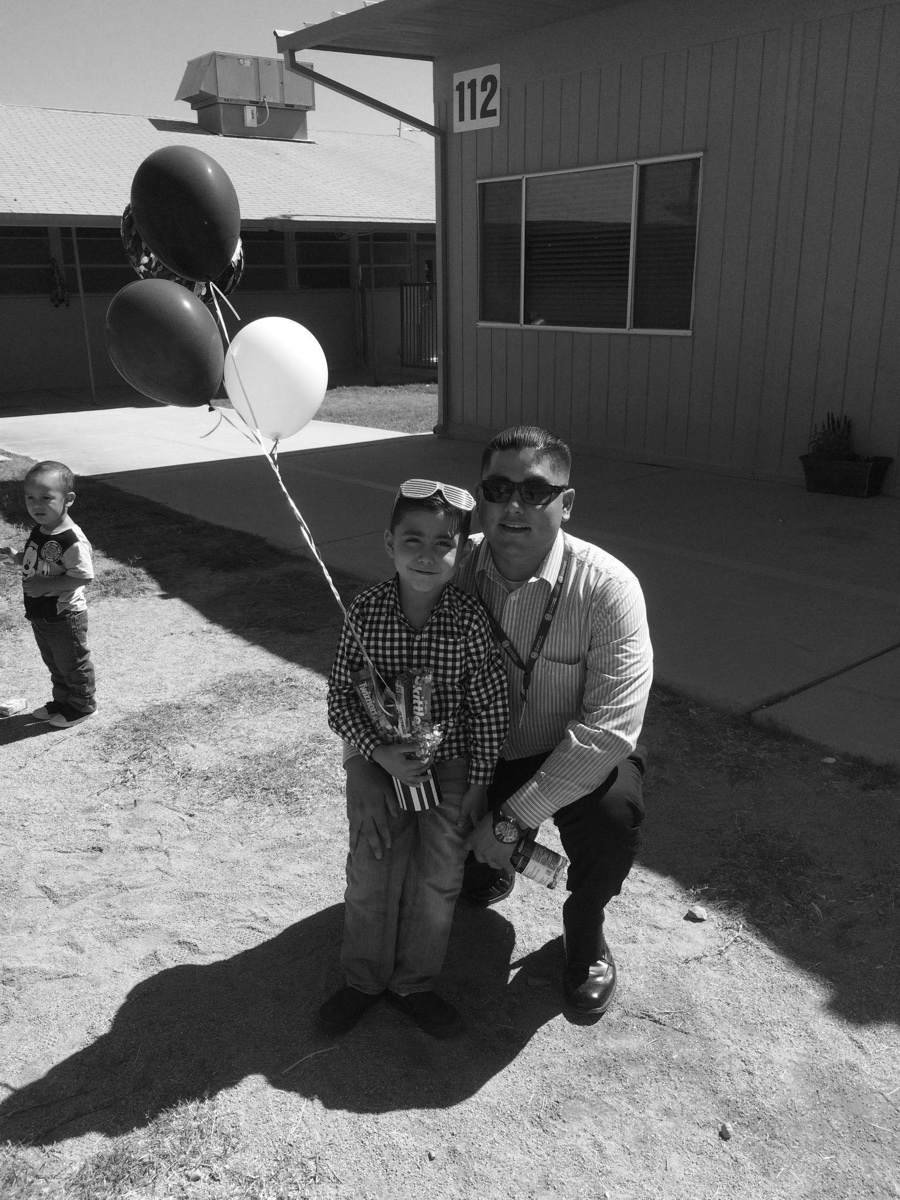
He later transferred into Child Welfare and eventually spent five years leading the Tribe’s Child Welfare Program. Hartt continues educating tribal members across the nation to advocate in State Courts for Indian Child Welfare Act cases.
Hartt became licensed to practice tribal law in 2015 with the Quechan Tribe, later at Salt River Pima-Maricopa Indian Community in 2018 and Cocopah in 2025. His most recent was joining the Court of Indian Offenses (CFR) Court for the Western Region; his application is pending review by the Chief Judge. He returned to school while working full time and to earn his Bachelor of Arts in Law from the University of Arizona, a new program fully online.
I'll be very clear I don't want to be a state attorney, I have worked with many who hate what they do, the real goal is to focus on the lack of legal representation in our tribal communities and providing a service to those who are found indigent in tribal court systems. Those who enter tribal court systems don't have a legal right to representation unlike constitutionally protected representation in State Courts.
He is the founder of Indian Country Legal Services a non profit legal aid service that represents Veterans under the Veteran Affairs regarding requests for discharge upgrades, benefits and appeals and acting as Conservator over personal estates and assets to protect these tribal members when family often takes advantage of them.
Since 2021, Hartt has also worked in federal public service, beginning in a supervisory role locally at the Fort Yuma Health Center and later taking a position in Human Resources conducting suitability and background investigations for the Area Office in Phoenix, AZ. Since the reorganization at the federal level Hartt is now working for Headquarters in Washington, D.C. focused on Data Analytics, Governance and Compliance in the Office of Human Resources.
Hartt said he has also spent more than a decade regularly attending monthly General Council meetings often till 11pm, Special Meetings, and worksessions raising concerns and asking questions through multiple administrations. He stressed that those meetings were not the beginning of his involvement with the Tribe, but a continuation of years already spent working and serving in the community.
“After years of sitting in those chambers, asking questions and watching different administrations, I continue to see many of the same concerns,” Hartt said. “That is why I am running.”
Children and Future Generations
Hartt said one of the central themes of his campaign will be placing children at the center of tribal decision making. He said decisions involving housing, public safety, education, recreation, health, culture, economic development and natural resources should be evaluated based on what they leave behind for future generations.
“Our children should inherit more than programs and buildings,” Hartt said. “They should inherit a strong Tribal Government. They should inherit our language, our songs, our traditions, our land, our water and the knowledge of who they are.”
Hartt said his experience in Child Welfare and his work in tribal law have shaped his view that protecting children and preserving culture are inseparable from long term government planning. Current California court resources also list Hartt as an ICWA qualified expert witness and describe experience providing expert testimony and technical assistance in matters across 13 states and more than 75 counties.
Land, Water and Sovereignty
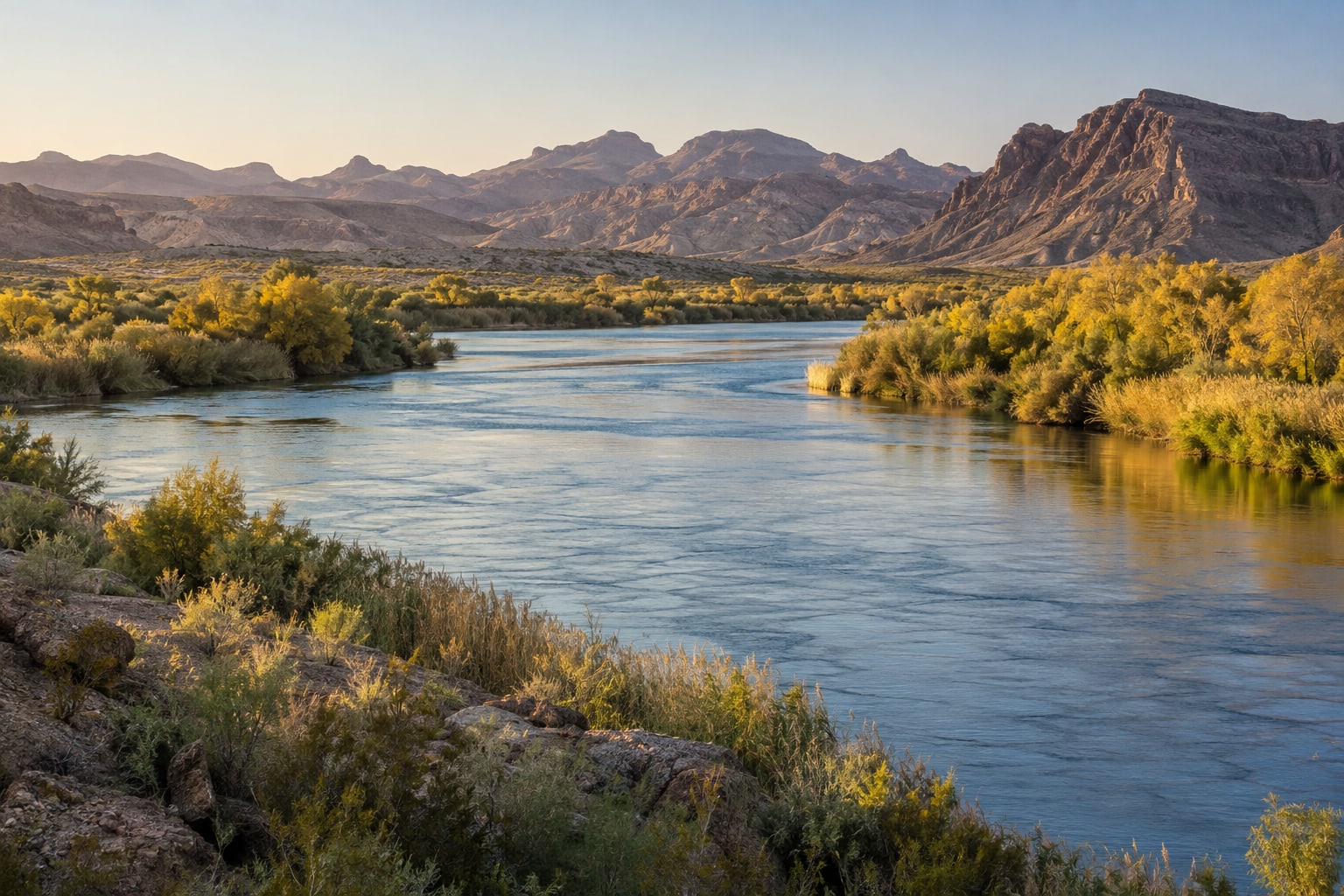
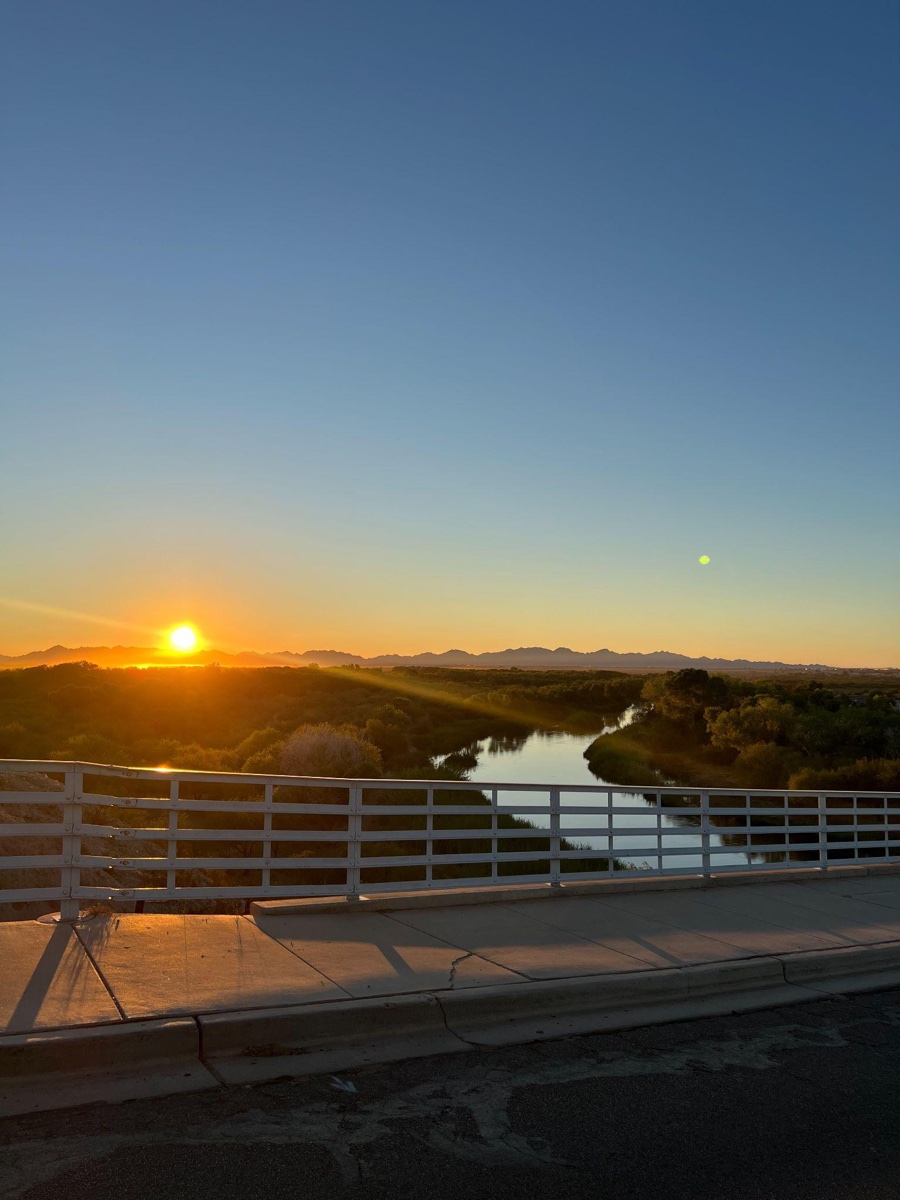
Hartt said protecting Quechan land and water will be a major part of the campaign. “We are river people,” he said. “The Colorado River is part of our history, our identity and our future.”
Water remains a significant issue for the Tribe. Public records document Quechan concerns involving Colorado River use and water management, while recent outside investments have supported improvements to tribal irrigation and water infrastructure on the Fort Yuma Indian Reservation.
Hartt said water and land issues should be addressed through long term planning, protection of tribal rights, strong water infrastructure, responsible land management and open communication with tribal members. He said land and water should not become issues that are only discussed during a crisis or when outside interests are involved. Frank Venegas the Director of Water Management with the Tribe has really taken a strong position in the new role and department and his work will not go unnoticed as this program expands and the tribe passes resolutions to store water by the US/Mexico border.
Public Safety and Tribal Capacity
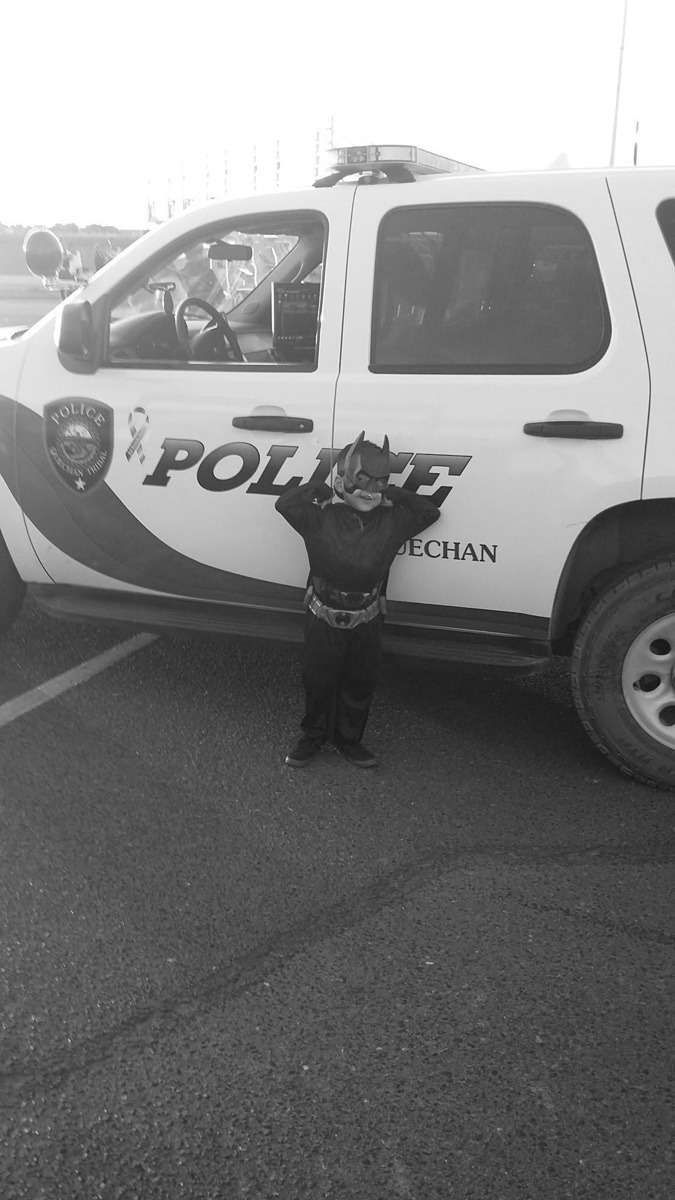
Hartt said his proposals include continued support for the Quechan Police Department, development of a modern tribal vehicle code, and serious planning for a Quechan Fire Department and tribal Emergency Medical Services.
His prior experience as a firefighter in the Quechan community, he said, gives him a personal understanding of public safety needs and the importance of building permanent tribal capacity.
“Sovereignty cannot only be something we talk about,” Hartt said. “It has to be something we exercise.”
Quechan Police Department, often misrepresented, has full civil regulatory authority within the exterior boundaries of the Fort Yuma Reservation. We lack a vehicle code that can be enforced on vehicle traffic both native and non natives operating on our roadways. He has proposed a draft vehicle code passed down from then Councilwoman Darnella Melancon who is now the Chief Judge.
We continue to meet and work with the Chief of Police and Tribal Courts to get this reviewed and passed as soon as possible. Those who live on the reservation know the lack of enforcement and destruction of county and state roads will only become a priority when some major accident and a death occurs using them. These rights of ways were granted with the intent of maintenance and care but we have not seen that for years.
Indian Health Service has an ambulance program where we can apply to get ambulances purchased and start with non-emergency transports and in phases start building with Basic Life Support, Advanced Life Support then contract with the BIA for Fire management to start the official Quechan Fire Department to protect life and property of the nation. Imperial County Fire is strapped for cash, our gaming enterprises are required to pay $400k annually to both Imperial County Fire for the Quechan Casino Resort and Rural Metro Fire for Paradise Casino, have they hired any tribal members? Have they sponsored any tribal members for Fire Academies? Never!
When will the tribe start advocating for their own advancement and “Together We Progress”? Right now we are paying everyone else and not our own, nobody has been given the chance.

Government That Functions
Hartt said tribal governments need a more consistent approach to budgeting, administration and long term planning. He said department directors should help identify their operational needs, but should not be left responsible for solving government wide financial problems on their own.
His proposed approach includes realistic revenue projections, standardized budgets, training for directors, financial review before adoption, and regular comparisons between approved budgets and actual spending.
Hartt said professional staff in Finance, Payroll, Grants, the Comptroller’s Office and other administrative functions need clear direction, stability, support and accountability. He said departments should also work from a common plan so the Tribe can pursue funding based on established priorities rather than reacting after opportunities appear.
Employees and Morale
Hartt said tribal employee compensation and morale are at an all time low and need immediate attention. He said unresolved compensation dating back as far as five years, movement between positions and inadequate training can affect the Tribe’s ability to retain employees and provide consistent services.
His proposals include reviewing compensation, identifying outstanding authorized obligations, establishing clearer classifications, providing training for managers and directors, and improving continuity across administrations.
This is the role of the executives not the Council, we must move forward not bring it back to each monthly meeting.
Hartt said employees should know what is expected of them and what they can expect from their government. Currently tribal council reviews all job descriptions, critiques them for months, spell checks when the Office of Human Resources is the subject matter experts and should be presenting any and all modification to new and existing positions.
Tribal employees continue to wait for backpay due to them from years of work and promised cost of living adjustments that come from the government down. Tribal budgets are a tool for guidance and not used against you and your family. Tribal families can be drastically affected due to a lump sum payment affecting prior tax years, social security benefits, SNAP benefits all because the executive administration cannot process simple accounting practices.
We know in October if the administration has flexibility to extend a COLA, we have no unions, there are no negotiations or sunshine practices. The tribe either approves a COLA one percent, two percent, nothing and adopts it for the next fiscal or calendar year. If approved, Human Resources make the adjustments for all tribal employees, payroll prepares the increase and the effective date and we monitor when that day comes. What is so hard about this process? Why do our tribal employees continue to wait years for backpay?
“Budgets” - Council
Open Communication and Transparency
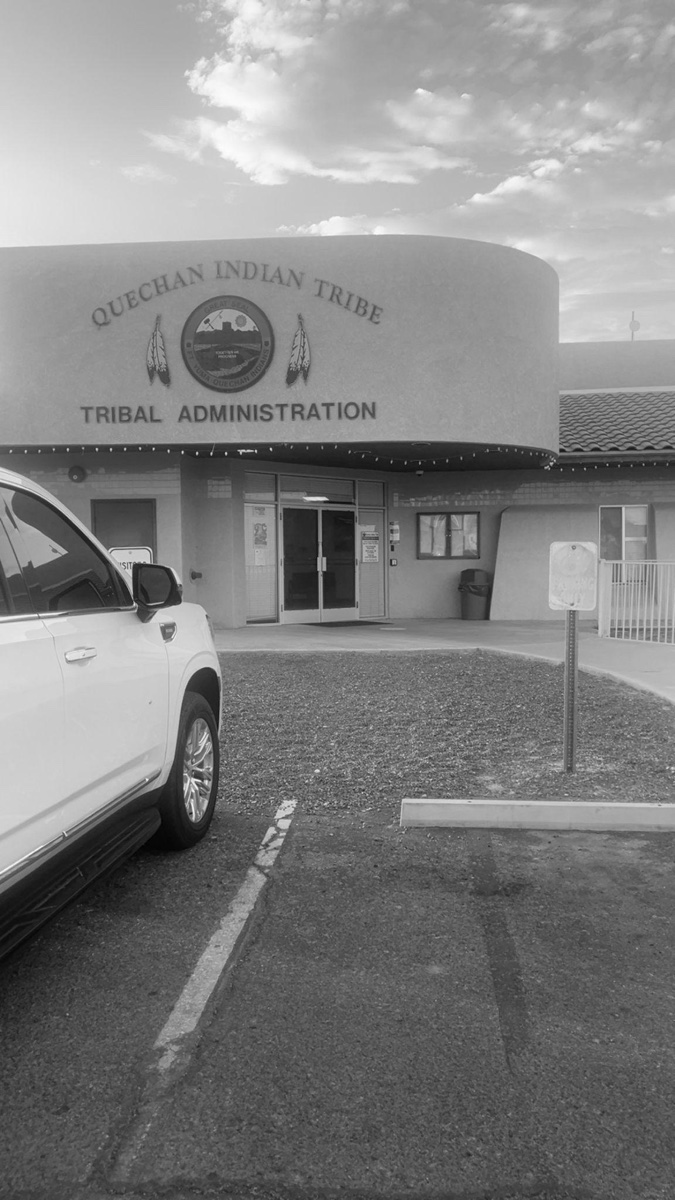
Hartt said transparency should involve more than posting meetings notices within twenty-four hours outside the tribal office or releasing financial information annually.
“Transparency has to include communication,” he said.
Hartt said members should receive clear information about major expenditures, delayed projects, Council actions and the status of approved initiatives. He also said tribal members should be able to raise questions directly with elected leadership and receive respectful responses, even when the answer is difficult.
“If there is a major project, tell the people where it stands,” Hartt said. “If something is delayed, explain why. If the Council approves something, the membership should know what happened afterward.”
Hartt said communication should be a routine part of government, not something that only happens when there is good news.
Housing, Infrastructure and Economic Development
Hartt said Quechan needs a long term plan for housing, utilities, public safety facilities, recreation, government facilities and new tribal assets.
He said the Tribe should know what it intends to build over the next five, ten and twenty years, then use that plan to guide departments, grant staff and leadership in pursuing funding.
Hartt said rehabilitation of existing housing remains important, but the Tribe also needs to build additional homes and create opportunities for Quechan people who want to return home. This takes money from Tribal Gaming and enterprises, not just grant funding. Several homes on the reservation are managed by Quechan Housing Authority and don't have income restrictions like HUD or NASHASDA homes do, this is what we need.
Question to the People: $6.5 Million or New Homes?
“We need to stop only asking what we are maintaining,” Hartt said. “We need to start asking what we are building.”
He said economic development should also focus on creating new assets, new opportunities and additional sources of revenue for future generations.
“That is the difference between reacting and planning,” Hartt said.
Prepared to Advocate
Hartt said his experience practicing tribal law has taught him that some issues require more than discussion.
“There are times when you have to stand up and advocate,” Hartt said. “I have spent years representing children, families and tribal interests in court.”
He said that the same willingness to advocate would apply when Quechan water, land, sovereignty, employees or children are at stake.
Hartt said he does not believe one President or one Tribal Council can solve every issue facing the Tribe. Instead, he said his campaign will focus on stronger planning, better communication, employee support, accountability, long term decision making and protecting the interests of future generations.
“I have spent most of my life here,” Hartt said. “I know many of the challenges we continue to face, and I believe it is time to have a serious conversation about where Quechan goes next.”
Important Dates to Remember
October 5, 2026 - Call for nominations. Petitions can be picked up from the Tribal Council Secretary at the tribal administration.
October 12, 2026 - Qualification packets. Candidates can pick up their packets from the election board office from 8am–5pm Monday-Friday.
September 14, 2026 - Absentee Ballots. Members can submit Form-1 Requests for Absentee Ballot. The Secretary of the tribe, not the election office handles these, contact the tribal secretary up to the date of the election. Vote early dont wait until the last minute cause these are sent via FEDEX.
November 28, 2026 - Absentee Ballots Mailed Out via Fedex.
November 30, 2026 - Posting of Eligible Voters list. Verify your name and family is listed, check for errors, report deceased members.
December 7, 2026 - Election Day. Quechan Community Center from 7am -7pm.
Campaign Details
Visit the official campaign site at https://codyhartt.com/elections/QuechanTribe/ for more information, subscribe for email and sms notices from the campaign.